
Accounting & Bookkeeping

The most useful accounting formulas help a business measure profitability, pricing, liquidity, debt, inventory, and return on investment. These include the accounting equation, break-even point, cash ratio, cost of goods sold, debt-to-equity ratio, gross profit, inventory shrinkage, markup, net income, return on investment, and straight-line depreciation. For residential contractors and specialty-trade bookkeepers, these formulas can […]

The net cash flow formula calculates how much a business’s cash increased or decreased during a specific period: Net cash flow = Total cash inflows − Total cash outflows You can also calculate it by adding the net cash generated or used by the three sections of a cash flow statement: Net cash flow = […]

Cash Flow Analysis: How to Understand and Improve Business Cash Flow A cash flow analysis examines where cash came from, where it went, and whether the business generated enough cash to meet its obligations during a specific period. To conduct one, review cash from operating, investing, and financing activities, compare the results with previous periods, […]
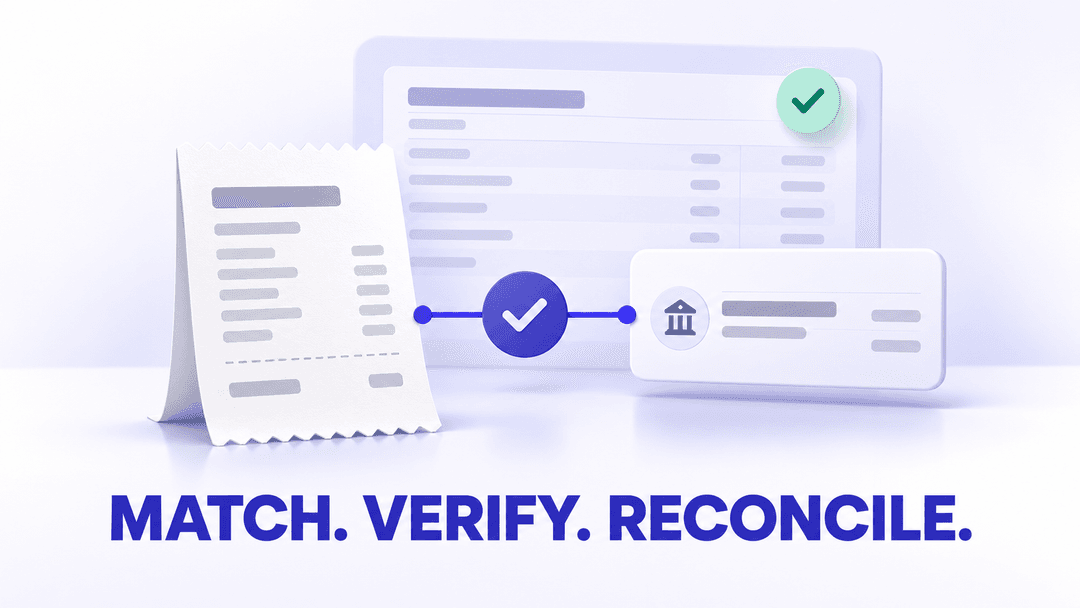
Matching a receipt to a transaction means connecting the receipt, invoice, or other source document with the corresponding charge recorded by a bank, credit card, or financial account. The transaction shows that money moved. The receipt explains what was purchased, when the purchase occurred, who received the payment, and why the expense belongs in the […]

Freelancers should maintain a bookkeeping system that records client income, tracks business expenses, stores supporting documents, monitors unpaid invoices, and reconciles financial accounts every month. A practical freelance bookkeeping process includes separating business and personal activity, choosing an appropriate accounting method, invoicing clients consistently, capturing receipts, categorizing transactions, preparing for estimated taxes, and reviewing financial […]

To review information extracted from a receipt, compare the digital record with the visible receipt before categorizing, matching, reimbursing, or reporting the expense. Check the vendor, transaction date, total, tax, currency, category, and relevant job or project. If receipt OCR reads a value incorrectly, correct the affected field when the image is clear. If the […]

To calculate retained earnings, add the current period’s net income to the beginning retained earnings balance, then subtract dividends or qualifying owner distributions recorded against retained earnings. Ending Retained Earnings = Beginning Retained Earnings + Net Income − Dividends or Distributions If the business reports a net loss, subtract the loss instead of adding net […]

Yes, digital receipts are generally acceptable business records for U.S. federal tax purposes when they are complete, accurate, legible, accessible and retained for the required period. A photograph, scanned copy, emailed receipt or downloaded PDF can support a business transaction. However, the file format alone does not make a record sufficient. The digital receipt should […]

To do bookkeeping for a small business, separate your business and personal finances, choose an accounting method, create a chart of accounts, record every transaction, retain supporting documents, reconcile your financial accounts, and review your financial statements regularly. That sounds straightforward. The difficulty is keeping the process consistent while you are also serving clients, managing […]

An LLC gives business owners flexibility, but that flexibility can make accounting and tax responsibilities difficult to understand. The right accounting process depends on how many members the LLC has, how it is classified for federal tax purposes and how the business operates. Regardless of its tax classification, every LLC needs consistent records, separate financial […]
Popular

September 23rd, 2026

March 9th, 2022


June 26th, 2020


October 2nd, 2026